Tech-Free Strategies to Manage Challenging Behaviors in the Classroom
Managing challenging behaviors in the classroom can sometimes feel overwhelming, especially when technology isn't an option or when you want to create a calm, focused environment free from screens and devices. While digital tools and apps have their place, many effective strategies to encourage positive behavior and support self-regulation don’t require any tech at all. These tech-free approaches empower teachers to maintain a warm, structured classroom atmosphere where all students can thrive.
In this article, we’ll explore practical, low-tech techniques to help you manage challenging behaviors, build positive relationships, and foster a classroom culture centered on respect and self-control.
Understand the Root Causes of Challenging Behaviors
Before diving into specific strategies, it’s crucial to remember that challenging behaviors often stem from unmet needs or underlying emotions such as frustration, anxiety, or lack of understanding. Taking time to observe and reflect on why a student might be acting out can guide your approach and make interventions more effective.
Ask yourself:
- Is the student struggling with a particular skill or concept?
- Are transitions or routines causing anxiety?
- Could the behavior be a call for attention or help?
- Is the student experiencing external stressors that affect their behavior?
By understanding the reasons behind behaviors, you can tailor your response to support the student more compassionately and effectively.
Tech-Free Strategies to Manage Challenging Behaviors
1. Establish Clear, Consistent Expectations
Children thrive when they know what’s expected of them. Spend time at the beginning of the year (and revisit regularly) to create a set of classroom rules or agreements together with your students. This collaborative process increases buy-in and helps students internalize positive behaviors.
Tips:
- Use simple, positively stated rules (e.g., “Use kind words” instead of “Don’t be mean”).
- Post rules visibly and refer to them often.
- Reinforce expectations through modeling and praise.
2. Use Visual Cues and Signals
Nonverbal communication tools can guide behavior quietly and effectively without interrupting the flow of instruction.
Examples:
- Use hand signals to indicate “quiet,” “line up,” or “raise your hand.”
- Employ a color-coded card system to show behavior levels (green for good, yellow for warning, red for stop).
- Create a “behavior thermometer” poster where students can move their name or clip to reflect their current behavior.
3. Build Routines and Predictability
Predictable routines reduce anxiety and limit opportunities for disruptive behavior by giving students a clear structure.
Strategies:
- Develop consistent daily schedules and review them each morning.
- Use transition songs or chants to signal changes.
- Practice routines regularly, especially after breaks or holidays.
4. Incorporate Movement Breaks
Sometimes challenging behaviors arise simply because students need to move or release energy. Offering structured movement breaks helps students reset their focus and self-regulate.
Ideas:
- Use brain breaks like stretching, jumping jacks, or a quick walk around the classroom.
- Implement “movement corners” where students can stand and stretch quietly.
- Try “silent signals” for students to request a movement break without disrupting the class.
5. Employ Positive Reinforcement and Praise
Catch students being good. Recognizing and praising positive behavior encourages repetition and builds self-esteem.
Techniques:
- Give specific, sincere praise (“I noticed how carefully you worked on your writing today”).
- Use tangible rewards sparingly, like stickers or extra recess time.
- Implement a classroom economy or token system that rewards positive choices.
6. Teach and Model Self-Regulation Skills
Help students develop the ability to manage their emotions and behaviors independently by teaching self-regulation strategies directly.
Activities:
- Practice deep breathing or mindfulness exercises as a class.
- Use “calm down corners” stocked with sensory tools like stress balls or calming jars.
- Role-play scenarios to practice problem-solving and emotional expression.
7. Redirect and Offer Choices
When a student begins to exhibit challenging behavior, gentle redirection combined with offering choices fosters autonomy and reduces power struggles.
How to do it:
- Redirect attention to a positive activity (“Let’s focus on this fun math game now”).
- Offer choices (“Would you like to work at your desk or on the carpet?”).
- Use language that invites cooperation rather than commands.
8. Build Strong Relationships
A classroom where students feel seen, heard, and valued naturally experiences fewer behavioral issues.
Ways to connect:
- Greet each student warmly at the door.
- Spend a few minutes chatting individually during transitions or downtime.
- Learn about students’ interests and incorporate them into lessons.
9. Use Restorative Practices
When conflicts or disruptions occur, restorative approaches help repair harm and rebuild relationships rather than just punishing behavior.
Restorative strategies:
- Hold class meetings to discuss feelings and solutions.
- Facilitate peer mediation or “talk it out” sessions.
- Encourage students to reflect on how their actions affect others.
10. Consistently Follow Through
Consistency is key in behavior management. When students know that rules are enforced fairly and predictably, they feel safer and more secure.
Recommendations:
- Apply consequences calmly and promptly.
- Avoid empty threats.
- Communicate with families to maintain consistency between home and school.
Final Thoughts
Managing challenging behaviors without technology might require a bit more creativity and presence, but the benefits are profound. These tech-free strategies not only help maintain order but also nurture students’ social-emotional growth and classroom community. By focusing on relationships, clear expectations, and self-regulation, you create a positive environment where all learners can flourish.
Remember, every classroom is unique. Experiment with these techniques and adapt them to fit your style and your students’ needs. With patience, empathy, and consistency, you’ll build a classroom culture that supports positive behavior and meaningful learning every day.
Ready to try these tech-free strategies? Start by choosing one or two techniques to implement this week and reflect on the impact. Share your successes and challenges with fellow teachers to keep growing your classroom management toolkit!
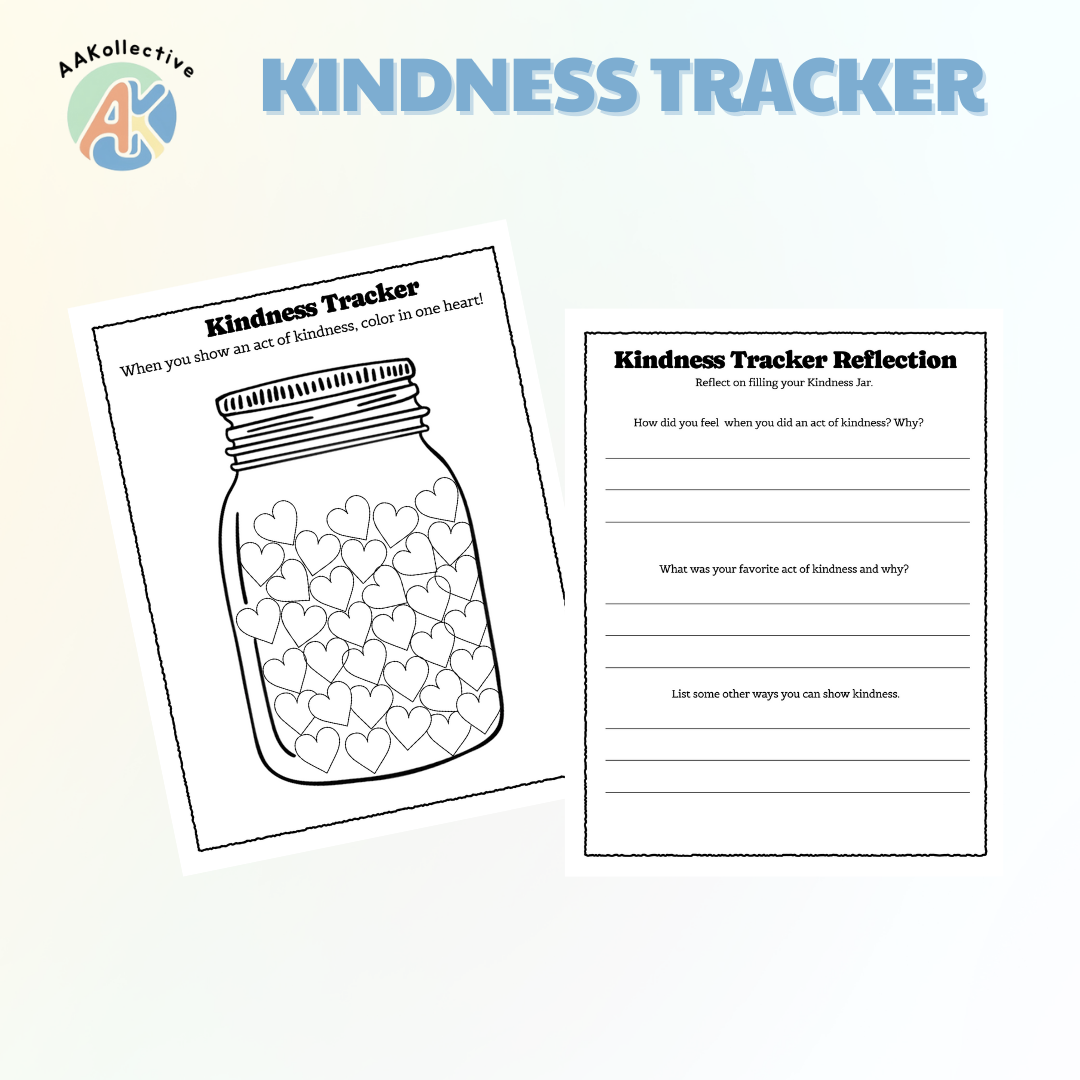
Turn this idea into printable practice
Use this strategy with free worksheet paths, sample downloads, and related classroom-ready resources from AAKollective.