Using Visual Arts to Enhance Critical Thinking in Early Elementary Students
Early elementary classrooms are vibrant spaces where curiosity blooms and young minds begin to make sense of the world. Integrating visual arts into your lessons isn’t just about painting pretty pictures, it’s a powerful way to nurture critical thinking skills in your students. When children engage with art, they learn to observe carefully, ask questions, make connections, and express ideas creatively. These are foundational skills that support success across all subjects.
In this article, you’ll discover creative and practical strategies to weave visual arts into your teaching, helping your early learners become sharper thinkers and more confident problem solvers.
Why Visual Arts Matter for Critical Thinking
Visual arts provide a unique, hands-on way for students to explore concepts deeply. Unlike traditional instruction that often emphasizes memorization, art encourages:
- Observation: Noticing details, patterns, and relationships.
- Interpretation: Making meaning from images or objects.
- Problem Solving: Experimenting with different approaches and materials.
- Reflection: Thinking about choices and outcomes.
- Communication: Expressing ideas visually and verbally.
These processes align closely with critical thinking, which involves analyzing information, evaluating options, and creating solutions. For early elementary students, art acts as a bridge between concrete experiences and abstract thinking.
Strategies to Incorporate Visual Arts for Critical Thinking
1. Use Art to Explore Story Elements
Reading comprehension and storytelling are vital literacy skills. Visual arts can make story elements like characters, setting, and plot more tangible.
- Activity: After reading a story, ask students to draw a new character or create an alternate setting. Encourage them to explain their choices: “Why did you design this character this way?” or “How does your setting change the story?”
- Critical Thinking Boost: Students analyze story components and think creatively about possibilities beyond the original text.
2. Visual Journaling for Reflection and Connections
Encourage students to maintain visual journals where they combine drawings, diagrams, and brief written reflections about what they learn.
- Activity: After a science lesson on plants, students might draw a plant and label its parts, then write or dictate what they noticed or wondered.
- Critical Thinking Boost: This practice promotes observation skills and helps students make connections between concepts and their own experiences.
3. Integrate Art with Math Concepts
Visual arts can demystify abstract math ideas by making them concrete and playful.
- Activity: Use pattern blocks or shapes to create designs. Ask students to identify patterns, count shapes, or create symmetrical art.
- Critical Thinking Boost: Students analyze attributes, predict outcomes, and test hypotheses through hands-on creation.
4. Encourage “Thinking Like an Artist” Discussions
Guide students to reflect on artistic choices, fostering metacognition and reasoning.
- Activity: Show a piece of student or professional artwork and ask questions like:
- “What do you think the artist wanted us to notice?”
- “How do the colors or shapes make you feel?”
- “What would happen if the artist changed this part?”
- Critical Thinking Boost: Students learn to support opinions with evidence and consider multiple perspectives.
5. Problem-Solving Through Collaborative Art Projects
Team art activities promote communication and flexible thinking.
- Activity: Provide a challenge such as building a structure from recycled materials or creating a mural that represents a community theme.
- Critical Thinking Boost: Students negotiate ideas, plan steps, and adapt strategies together.
6. Use Art to Teach Observation in Science
Drawing is a natural fit for science exploration, helping students slow down and notice details.
- Activity: Take students outside to observe plants, animals, or weather. Have them sketch what they see and note characteristics or changes.
- Critical Thinking Boost: Careful observation leads to questions and hypotheses, sparking inquiry.
7. Integrate Visual Arts into Social Studies
Art can make history and culture more accessible and meaningful.
- Activity: After learning about a cultural tradition, students create artwork inspired by that culture, then share what they learned.
- Critical Thinking Boost: Students compare cultures, analyze symbolism, and express understanding creatively.
Practical Tips for Success
- Keep Materials Accessible: Stock your classroom with diverse, child-friendly art supplies so students can explore anytime.
- Create a Safe Space: Encourage experimentation and emphasize that there’s no “right” or “wrong” in art.
- Connect Art to Learning Goals: Be intentional about how art supports your academic objectives.
- Model Thinking Aloud: Share your thought process during art activities to make thinking visible.
- Celebrate Process Over Product: Focus on the ideas and effort behind the art, not just the finished piece.
- Encourage Questions: Prompt students to ask “why,” “how,” and “what if” during art lessons.
- Incorporate Reflection Time: Build in moments for students to discuss or write about their artistic choices and learning.
Resources to Explore
- Books: Harold and the Purple Crayon by Crockett Johnson , inspires imaginative drawing tied to storytelling.
- Websites: The National Gallery of Art’s NGAkids offers interactive art activities designed for children.
- Apps: Tayasui Sketches or Drawing Desk provide digital drawing platforms for tech-enabled classrooms.
Conclusion
Visual arts open up exciting pathways for critical thinking in early elementary students. When you invite children to observe closely, ask questions, experiment, and express ideas through art, you’re equipping them with essential skills that extend beyond the classroom. By blending creativity with inquiry, you create a dynamic learning environment where every child feels empowered to think deeply and share their unique perspective.
Ready to bring the power of visual arts into your teaching? Start small, try one of the strategies above this week and watch your students’ critical thinking skills flourish alongside their creativity.
For more ideas, resources, and lesson plans that engage young learners, explore AAKollective’s marketplace designed especially for early elementary teachers like you!
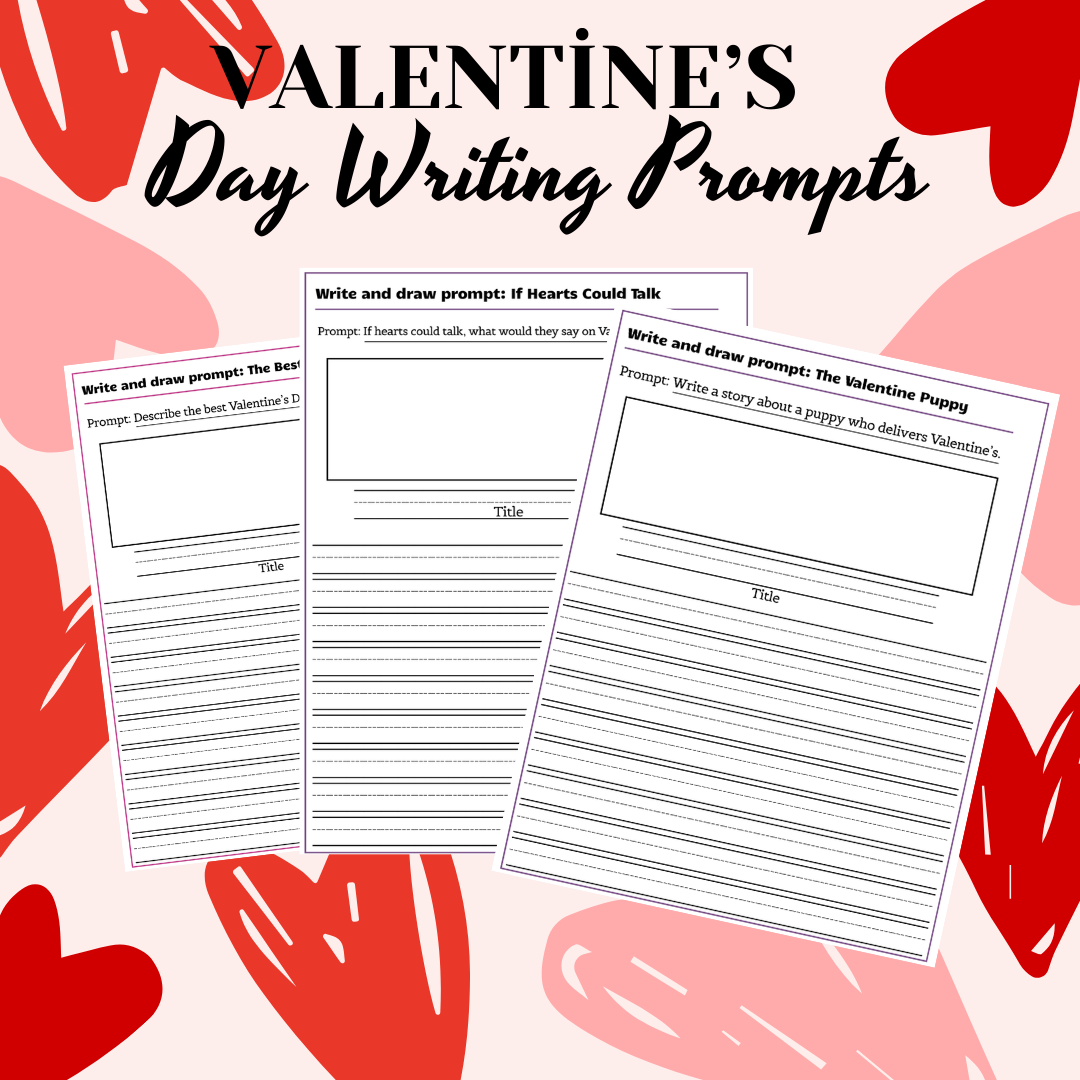
Turn this idea into printable practice
Use this strategy with free worksheet paths, sample downloads, and related classroom-ready resources from AAKollective.